The quick answer
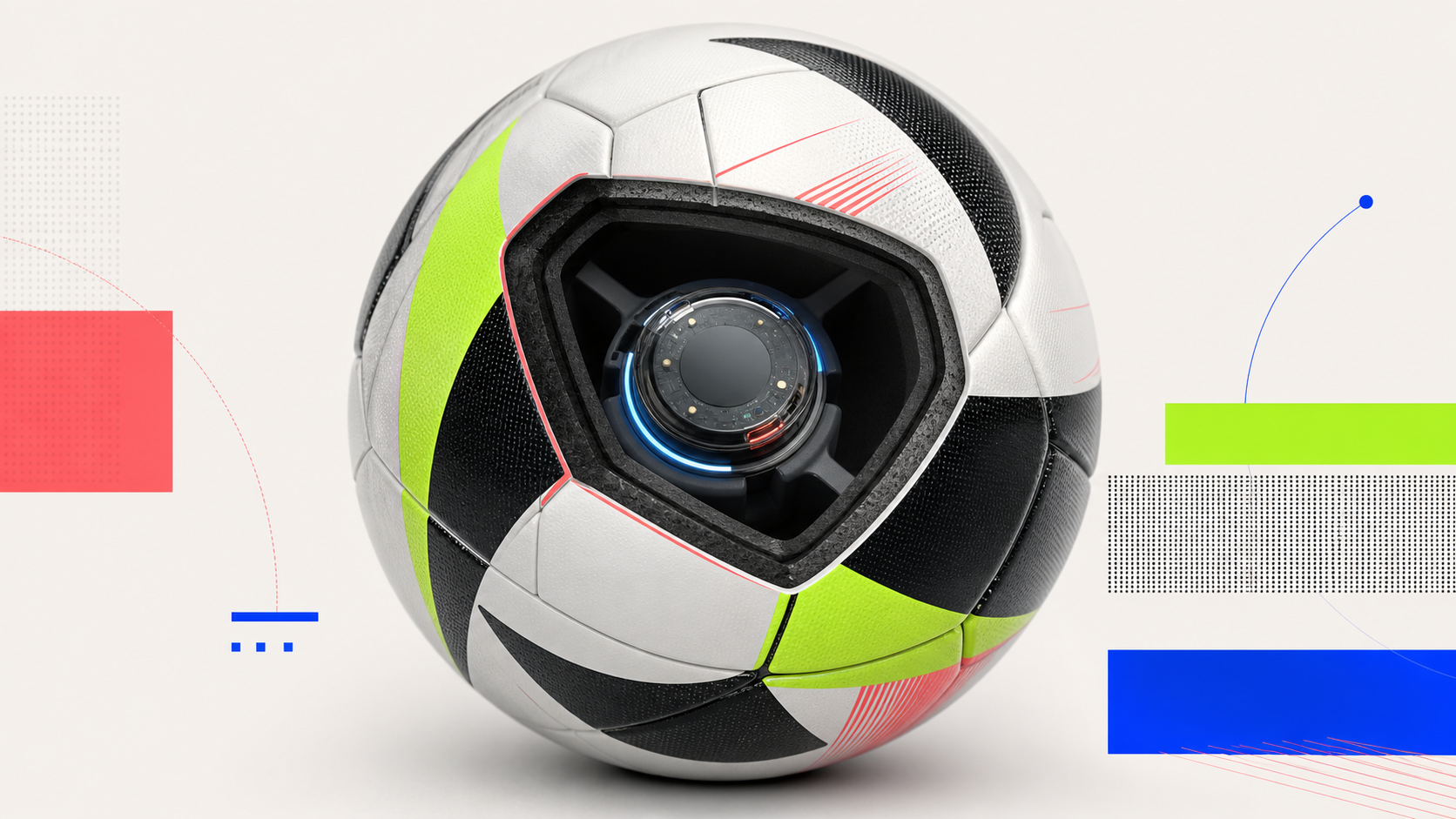
The adidas TRIONDA, the official ball for the 2026 FIFA World Cup, has a motion-sensor chip inside it. FIFA says that sensor sends movement data 500 times a second.
That data can help officials understand what happened during a close play. It is not a tiny robot referee inside the ball, and it does not make the final offside decision by itself.
What the sensor is actually tracking
Connected Ball Technology gives officials a more precise record of the ball’s movement than a broadcast replay alone. In a close offside situation, the timing of the pass matters just as much as where the players are standing.
The useful way to think about it: the ball supplies one piece of evidence. Player and camera tracking supply other pieces. The review team uses that information together.
Why it makes offside replays look so specific
FIFA’s offside technology combines ball and player-tracking data with an alert system. For a clear positional offside, the system can help get the information to the officials faster than waiting for a long manual review.
That is why a replay can focus on such a narrow moment: the review is trying to line up the ball’s movement with the players’ positions at that exact point in the play.
What the chip cannot decide
A sensor can describe ball movement. It cannot settle every football question. Some offside situations still need human judgment, such as whether a player interfered with an opponent or blocked a goalkeeper’s view.
So the fairest version is not “the ball called it.” The technology gives the officials better evidence, and the officials still make the call.
What to notice during the next close call
- Watch for the moment the pass or deflection happens—not only the final freeze-frame.
- Notice whether the review is a clear position question or one that needs interpretation.
- Remember that a precise-looking animation is evidence for the officials, not proof that the human part of the decision disappeared.